To be honest, I have been suffering from imposter syndrome in this space.
I am no longer homeschooling my children. My life has moved firmly into the "cheerleader" and "observer" categories. What do I have to offer homeschooling parents still in the midst of a most wonderful (and often tiring and stressful) endeavor?
Yes, teaching music appreciation in SQUILT LIVE! keeps me connected with children and families (what a blessing) - but that is different than the daily routine of homeschooling, picking out curriculum each year, and trying to find the right tribe to encourage everyone.
It’s been three years since my youngest graduated, and I can say with certainty that it does take TIME to adjust to the “purpose” of homeschool being removed from my plate. Life changes, and we must change with it.
Life Update
My oldest, Anna, is a special education teacher at a local school for children with special needs. My heart swells as I listen to her talk about her days and how much she enjoys her work. She was created by God for this work - I have no doubt. Selfishly, I love it that she lives only 20 minutes away and is still active in our church community.
She will tell you that she wasn’t the easiest child to homeschool - but that’s what I love about her. She is incredibly self-aware, and that strong will is almost always for a worthy cause. I watch her now and witness the incredible love and advocacy she possesses for her students, and know that God created her just as He intended.
That strong-willed child who caused me to drive to the local middle school one day and say, “This is where you can go to school if you don’t want to listen to me!” is now my cherished friend. (Yes, I really did that. No, I’m not sorry about it.) A good friend encouraged me that sometimes the strongest-willed children turn out to do the biggest things and march to the beat of their own drummer.
Thank God for that. (And thank God I didn’t give up on homeschooling during a few rough years!)
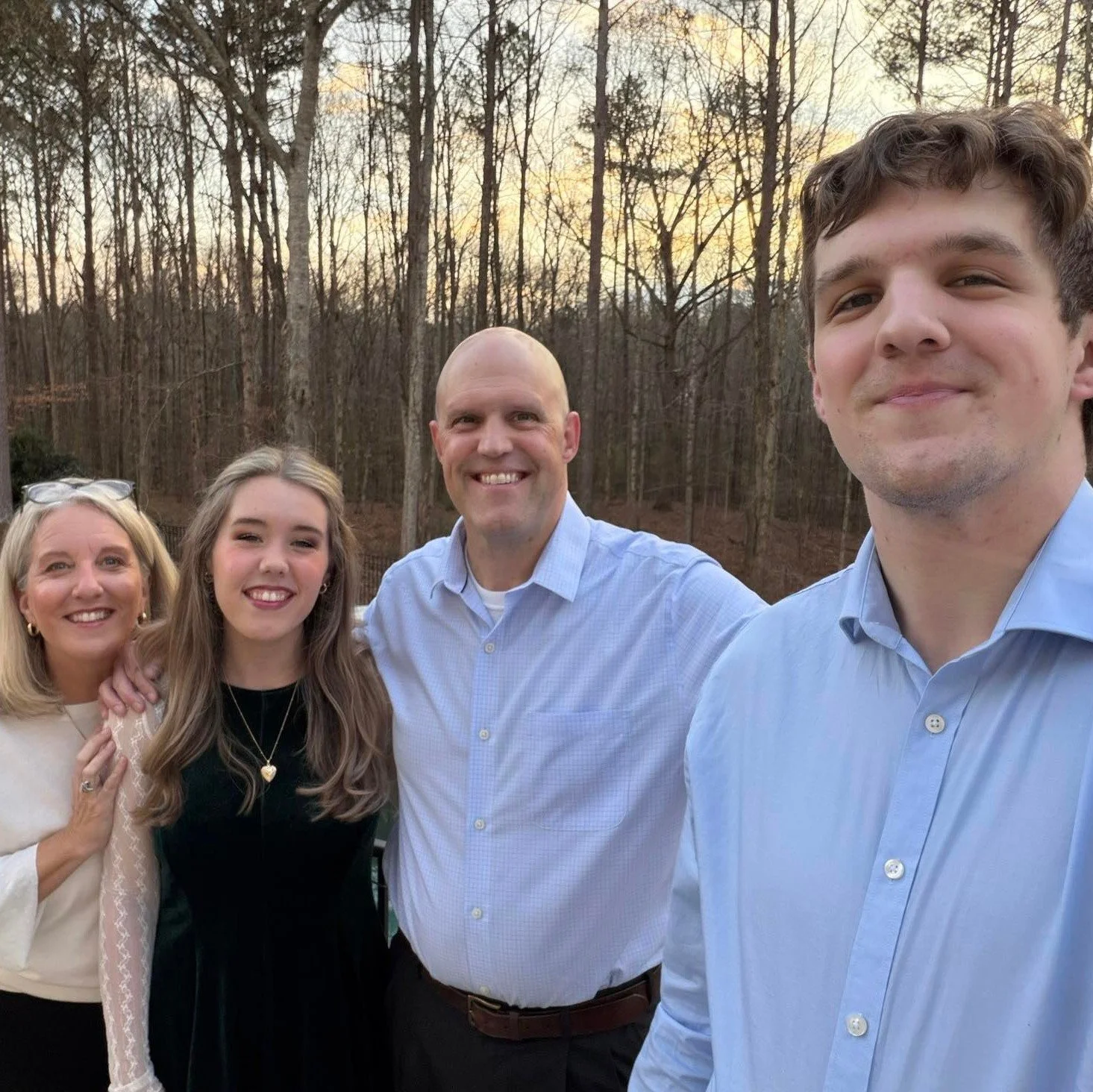
My youngest is a junior in college, majoring in Sports Communication. This is basically his dream major, and if I look back, it makes so much sense. The child that was obsessed with every kind of sports statistic, never stopped talking, and showed an affinity for language and reading at an early age… of course he’s destined to “yap” (as he would say) for a living.
Their life trajectories confirm to me that homeschooling was the best decision for our family. We could foster interests, identify strengths, and help mold their characters in ways no school education ever could. It was a way of life, not a method of education.
I am SO thankful I didn’t miss out on their greatest milestones and struggles by sending them to school. All Glory to God for His provision in allowing our family to home educate.
The Hard Part About Homeschooling
But here’s the hard part - as a homeschool parent, you truly get wrapped up in your children (as it should be). The dirty little secret they never tell you is how hard it will be when they leave home (for you AND for them).
Your family has developed a closeness that most children in the world don’t have. If your children go away to school or move away from home, the transition can be shocking. Oh, they will be prepared to manage their time and make it in the world, but the emotional shift may be difficult.
It’s taken me at least two years to fully adjust, and I’m sure once my youngest graduates from college and moves all of his LEGO (by the way, have you seen the LEGO section of this blog - my son is 100% the reason for all of that!) out of the house, I’ll definitely be sad all over again. Finding a new purpose and path in this stage of life has been full of God’s graciousness and mercy. Joining a local Bible Study Fellowship group has given me community and a deeper understanding of God’s word.
I am beginning to step back into more commitments at my local church and also serve on the board of a brand-new local school for children with special needs. Between these things and tackling some long-needed projects around the house, I’ve been putting one foot in front of the other and entering this new phase of life.
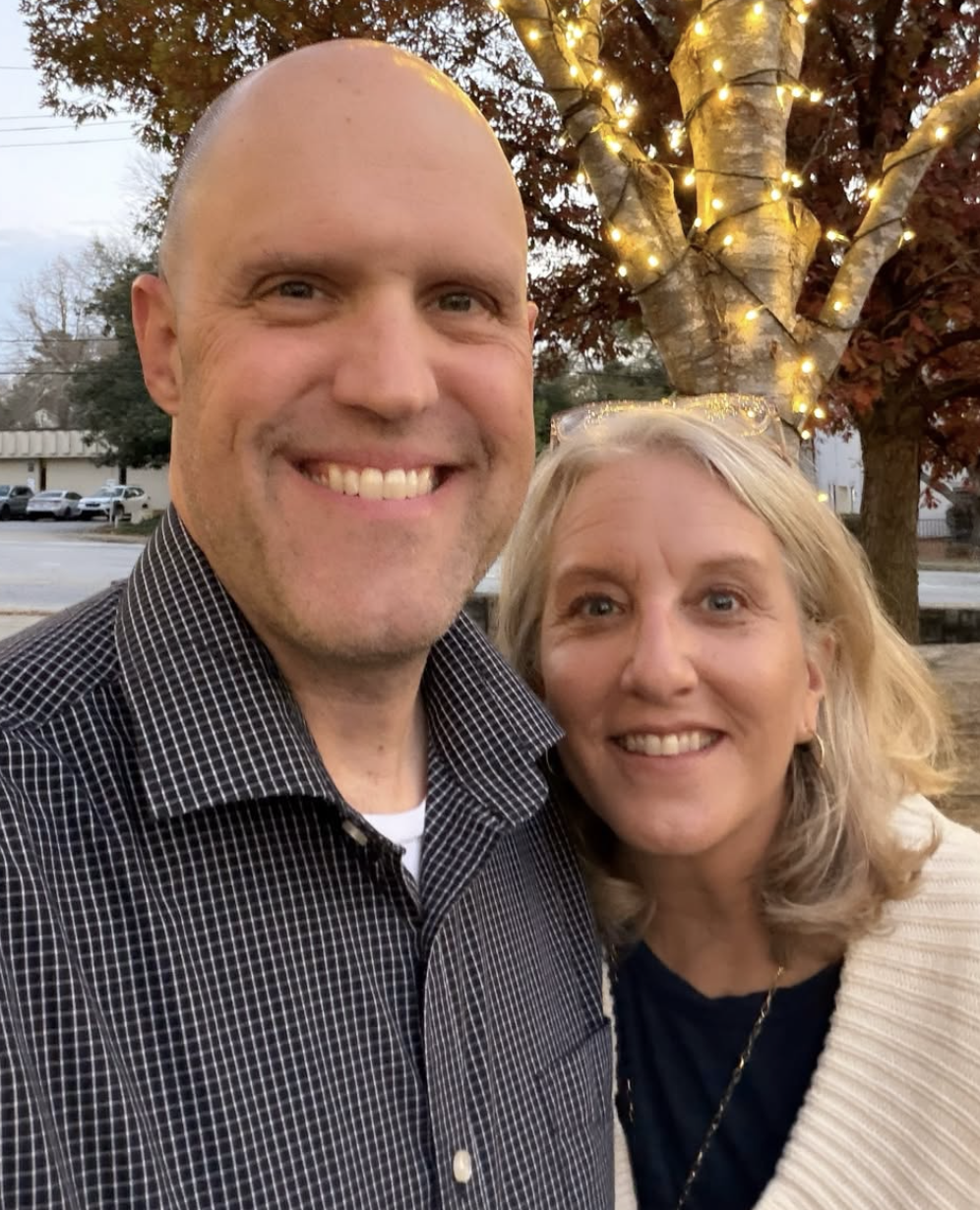
Hal, my husband of 29 years, is right there with me. What a blessing a Godly husband is - I am thankful to have a partner in this life that makes me laugh, challenges me, and also likes to eat dinner before 6 p.m. now that we are in our mid-fifties!
We work in our business together here at home - he is the finance and Personal Finance for Teens guru at Your Profit Pro, and I handle the artsy side of things in SQUILT Music Appreciation.
So, let’s circle back around to my original question,
“What do I have to offer homeschooling parents still in the midst of a most wonderful (and often tiring and stressful) endeavor?”
I can offer you:
Encouragement.
Nuggets of wisdom about big areas of your homeschool (reading aloud, making time for beauty, consistency, morning time).
HOPE that this homeschool thing works out, that you will survive, and that your family will be better for it.
One thing I don’t envy homeschoolers now is the sheer amount of NOISE that exists in the homeschool community. Whether it is online or local opportunities, there are just so many choices. I think you must get decision fatigue quite easily!
I will never regret beginning simply - staying home and really getting to know my children and how they learned. Then, we joined a local one-afternoon-a-week co-op, and the rest worked out from there. Less is more. Keep your blinders on and stay in your own lane.
The Book Community
In addition to my music curriculum, I do love sharing about the books I’m reading.
Our Facebook group, Homegrown Book Picks, is my favorite place to be online. It’s truly a non-political, all-happy kind of place, and I invite you to join us!
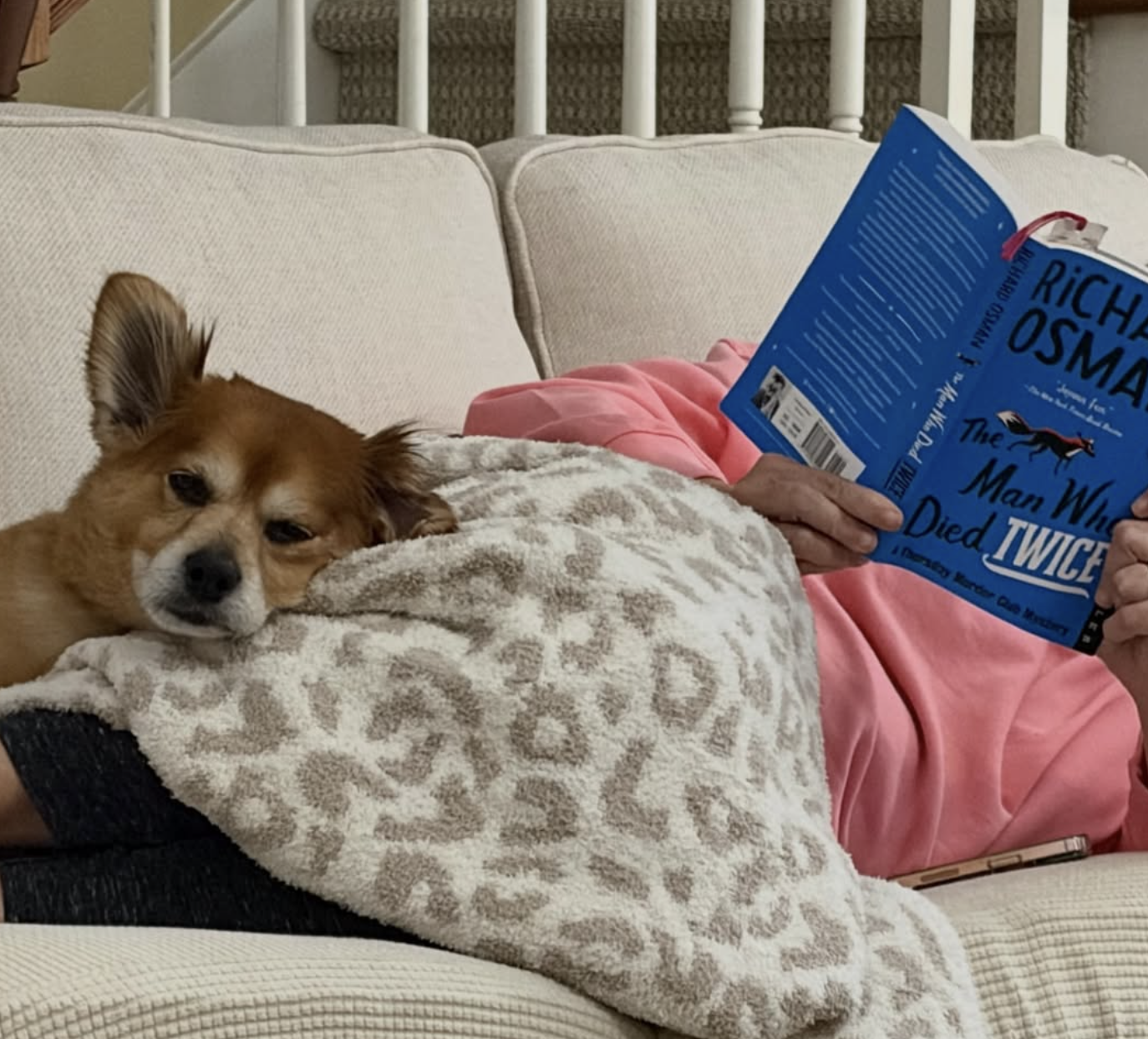
I credit homeschooling to my own love of reading. I enjoyed reading before, but something about that pursuit of knowledge and sharing so many great read-alouds with my children spurred my own reading life on in a beautiful way. Many Sunday afternoons, I will just plop down on the couch with a good book and read for the afternoon!
The Friday Focus
Each Friday, I send a short newsletter to a group of subscribers who want homeschool encouragement, book tips, and my latest recommendations. for interesting and beautiful things.
If you’re a long time reader, thank you thank you for the years of support and encouragement. I love this community! If you’re a new reader, poke around a bit and discover the YEARS of posts and ideas I poured into this space when my children were younger.
Please leave a comment (if you feel led) and tell me about your own homeschooling journey - where you are at and how it’s going. I love to stay in touch with the community!